Saturday, 3 June 2023

India releases draft notification for Extended Producer Responsibility for used oi


India releases draft notification for Extended Producer Responsibility for used oil

Used oil waste managements

On 2 May 2023, the Indian Ministry of Environment, Forest and Climate Change (MoEF) published a draft notification in the Gazette of India for bringing out regulations for Extended Producer Responsibility (EPR) for used oil. The public and other stakeholders have 60 days from the date of publication of the draft to make any objection or suggestions on the proposals contained in the draft notification.

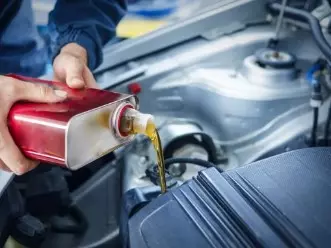
Used oil is a major environmental hazard if it is not disposed of properly. One litre of used oil can contaminate 1 million litres of fresh water. The aim of the draft notification is to promote circular economy for used oil such as re-refining of used lubricants which could have both environmental and economic benefits.

The EPR for used oil is notified under the Hazardous and Other Wastes (Management
and Transboundary Movement) Rules, 2016
. The latest amendment of these rules is the Hazardous and Other Wastes (Management and Transboundary Movement) Amendment Rules, 2023 which will come into force on 1 April 2024.

The definition of used oil is defined in subrule 36 of rule 6 of Hazardous and Other Wastes (Management and Transboundary Movement) Rules, 2016 as:

  • Any oil derived from crude oil or mixtures containing synthetic oil including spent oil,
    used engine oil, gear oil, hydraulic oil, turbine oil, compressor oil, industrial
    gear oil, heat transfer oil, transformer oil and their tank bottom sludges.
  • Any oil suitable for reprocessing, i.e. oil that does not include waste oil and meets the limits for polychlorinated biphenyls (PCBs), lead, arsenic, cadmium, chromium, nickel and polyaromatic hydrocarbons (PAH).

Under the draft notification producers, collection agents, recyclers and used oil importers will have to register on the online system developed by the Central Pollution Control Board. The portal will also be used for filing quarterly and annual returns, EPR certificate and tracing of oil produced or generated by the stakeholders.

EPR obligations for producers of base oil or lubrication starts at 10 % of the oil sold or imported in the year 2022-2023 and increases by 10 % for each of the following 5 years. EPR obligations for used oil importers is 100 % of the imported oil. The import of used oil is permitted only for the purpose of re-refining.

India amends Plastic Waste Management Rules

India amends Plastic Waste Management Rules

On 27 April 2023 the Indian Ministry of Environment, Forest and Climate Change published a notification in the Gazette of India announcing the Plastic Waste Management (Amendment) Rules, 2023. The Rules came into force on the day of publication in the Gazette and are an amendment to the Plastic Waste Management Rules, 2016 previously amended by the Plastic Waste Management
(Second Amendment) Rules, 2022.

The following amendments have been made to the Plastic Waste Management Second Amendment Rules, 2022:

Rule 10. Protocols for compostable and biodegradable plastic materials.

The deadline for the provisional certificates for biodegradable plastics issued by the Central Pollution Control Board (subrule 5) has been prolonged by one year. The provisional certificates shall be valid till 30 June 2024 with the condition that production or import of biodegradable plastic shall cease after 31 March 2024.

Rule 11. Marking and labelling

The rule that each plastic carry bag must have name, registration number of the producer or brand owner, and the thickness in case of carry bag and plastic packaging does now not apply to ‘rigid plastic packaging’.

Rule 13. Registration of producer, recyclers and manufacturer

Every producer or importer shall for the purpose of registration make an application as per the guidelines specified in Schedule II. The renewal of registration has been omitted (from Subrule 2). The registration granted under this rule shall be changed only on the request of Producers, Importers
& Brand owners, under the existing Extended Producer Responsibility registration. The registration granted under this rule shall be valid for a period of one year, unless revoked,
suspended or cancelled and shall subsequently be granted for three years.

Schedule II. Guidelines on Extended Producers Responsibility (EPR) for Plastic Packaging

  • Clause 6.6: The details regarding registration on the EPR portal have been modified. The following is now valid: While registering, the entities shall have to provide PAN Number, GST Number, CIN Number of the company in case of company and the entities may provide Aadhar Number and shall provide PAN Number of authorized person or representative and any other necessary information as required.
  • Clause 10.6: Producers, importers and brand-owners must file annual returns on the collected plastic packaging waste on the EPR portal by 30 June of the next financial year. Provided that the last date for filing of annual returns for the financial year 2022-2023 is the 31 October 2023.
  • Clause 11.2: Plastic waste processors (recyclers or other waste processors including composting facilities) must submit annual returns after the end of each financial year by 30 April. Provided that the last date for filing of annual returns for the financial year 2022-2023 is the 31 July 2023.

Plastic Pollution: Impact of the Global Plastics Treaty

 Plastic Pollution: Impact of the Global Plastics Treaty

Plastic pollution has become a pressing environmental issue in recent years, threatening ecosystems, human health, and the planet's overall well-being. This blog will summarize the latest report published by United Nations Environment Programme (UNEP) titled "Plastic Pollution". The comprehensive report sheds light on the extent of plastic pollution, its impact on our environment, and the urgent need for collective action. We will also highlight the crucial role of informal waste workers, the importance of using recycled plastic, the understanding of Extended Producer Responsibility (EPR), the financial viability of measures like a plastic tax, and the significance of the Global Plastics Treaty.


  1. Magnitude of Plastic Pollution: The UNEP report reveals the staggering scale of plastic pollution worldwide, emphasizing the need for action. It estimates that over 300 million tons of plastic waste is generated annually, with only 9% recycled. The remaining plastic is dumped in landfills, is incinerated, and pollutes our ecosystems. This alarming statistic highlights the urgent need for sustainable waste management solutions.

  2.  Informal Waste Economy and Workers: The report acknowledges the significant role of waste workers in the informal sector in managing plastic waste. These individuals, often marginalized and operating outside formal systems, contribute to recycling efforts and waste reduction. Recognizing and supporting the informal waste economy is crucial for sustainable plastic waste management. It is essential to provide fair working conditions, access to training and technology, and integration into formal waste management systems to enhance their impact and ensure their well-being.

  3. Importance of Recycling and Using Recycled Plastic: The UNEP report emphasizes the importance of recycling and transitioning from virgin plastic to recycled plastic. Currently, only 6% of plastics are of recycled origin (OECD 2022b). Increasing this percentage is vital to reduce the demand for new plastic production, conserve resources, and minimize environmental harm. Governments and industries must invest in recycling infrastructure, promote recycling awareness campaigns, and incentivize the usage of recycled plastic products. By supporting the demand for recycled plastic, we can drive market incentives and create a circular economy - where plastic waste is transformed into valuable resources, reducing pollution, and promoting sustainability.

  4. Extended Producer Responsibility (EPR): The concept of Extended Producer Responsibility (EPR) plays a significant role in managing plastic waste. EPR shifts the responsibility for managing waste from consumers to producers. By implementing EPR schemes, producers are accountable for the entire lifecycle of their products, including collection, recycling, and disposal. This approach encourages producers to adopt sustainable practices, invest in recycling infrastructure, and design products that are easier to recycle. EPR policies can significantly help reduce plastic waste and promote a circular economy.

  5. Financial Viability and Plastic Tax: Initial analyses suggest that a taxing manufacturers/producers at USD 500 per metric ton of plastic waste would be financially viable for the industry. Such a tax could incentivize producers to reduce plastic use, invest in recycling infrastructure, and promote the usage of recycled plastic. Additionally, by creating economic incentives, governments can steer the industry towards more sustainable practices. Revenue generated from plastic taxes can be channelled into recycling initiatives, waste management programs, and supporting the informal waste sector, further reinforcing sustainable protocol and addressing the plastic pollution crisis.

  6. Global Plastics Treaty: The Global Plastics Treaty represents a significant step forward in combating plastic pollution. The UNEP report highlights the treaty's significance as an international legally binding agreement to address the issue comprehensively. It aims to establish a framework for reducing plastic pollution, enhancing waste management systems, and promoting the transition to a circular economy. The treaty emphasizes the importance of cooperation among governments, industries, and stakeholders to achieve its objectives. By uniting nations and mobilizing collective action, the Global Plastics Treaty holds the potential to drive systemic change, set targets for plastic waste reduction, promote sustainable practices, and protect our environment for future generations.


Plastic pollution poses a grave threat to our planet, and the UNEP report highlights potential solutions. Recognizing the informal waste economy, supporting waste workers, promoting recycling, implementing EPR policies, considering financial mechanisms like plastic taxes, and embracing the Global Plastics Treaty are essential in mitigating this crisis. By taking these comprehensive actions, we can reduce plastic waste, protect ecosystems, support sustainable practices, and create a cleaner and more sustainable future.

https://www.plasticsforchange.org/blog/impact-of-the-global-plastics-treaty

The 7 Different Types of Plastic

The 7 Different Types of Plastic
Not all plastic is born equal. In fact, not only can plastic be found in a variety of different shapes and colors, but also in many different types. Each one is different from the other and has different uses. For example, some types of plastic are reusable and others aren’t because of the chemicals they contain; some can be recycled and others need to be disposed of in a different way.

In order to help you make better-informed decisions about the products that you buy, today we will go through the seven different types of plastic, how they differ, and their impact on the environment. So, keep reading!


WHY ARE THERE DIFFERENT TYPES OF PLASTIC?

In 1988, the Society of the Plastics Industry introduced the Resin Identification Code (RIC) system which divided plastic resins into 7 different categories.

The purpose was to “provide a consistent national system to facilitate recycling of post-consumer plastics." Since then, after undergoing some minor variations, the RIC has been recognized as the worldwide standard plastic classification.

THE DIFFERENT PLASTIC TYPES

1 – PET

Plastics that belong to group number one are made out of polyethylene terephthalate or PET. It holds the number one spot because of its widespread utility.  It is mostly used for food and drink packaging purposes due to its strong ability to prevent oxygen from getting in and spoiling the product inside.

It’s usually picked up through most curbside recycling programs and has a tremendously positive track record! In fact, PET bottles are the most widely recycled plastic in the world!

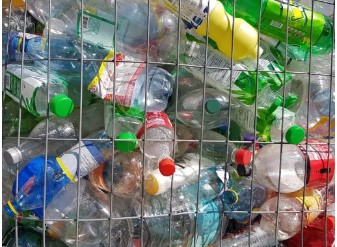
Beverage bottles are among the main plastic items that come for PET.

2 – HDPE

Technical name - High-Density Polyethylene – it’s an incredible resistant resin used for grocery bags, milk jugs, recycling bins, agricultural pipe, but also playground equipment, lids, and shampoo bottles among others.  Because it’s made with long unbranched polymer chains it’s much stronger and thicker than PET. Also, it is relatively hard and resistant to impact and can be subjected to temperatures of up to 120 °C  without being affected. As far as its disposal is concerned, HDPE is accepted at most recycling centers in the world, as it is one of the easiest plastic polymers to recycle. 


3 – PVC

Polyvinyl chloride is the world's third-most widely produced synthetic plastic polymer. It comes in two basic forms: rigid and flexible. In its rigid form, PVC is largely used in the building and construction industry to produce door and window profiles and pipes (drinking and wastewater). When mixed with other substances, It can be made softer and more flexible and applied to plumbing, wiring, and electrical cable insulation and flooring. 

Thanks to its versatile properties, such as lightness, durability, and easiness of processability, PVC is now replacing traditional building materials like wood, metal, concrete, rubber, ceramics, etc. in various applications.

Despite its many advantages and efforts made by the plastic industry to increase its reusability, PVC is still hardly recyclable and should therefore be avoided, whenever possible. 


4 – LDPE

Contrary to HDPE, LDPE is characterized by low-density molecules, giving this resin a thinner and more flexible design. It has the simplest structure of all the plastics, making it easy and cheap to produce. Used in plastic bags, six-pack rings, various containers, dispensing bottles, and most famously for plastic wraps, is not often recycled through curbside programs.


LDPE is used for the infamous plastic bags that are usually used for a few seconds and then discarded.

5-PP

Polypropylene is the second-most widely produced commodity plastic and its market is forecasted to grow even more in the following years. Hard and sturdy, it can withstand high temperatures and is found in tupperwares, car parts, thermal vests, yogurt containers, and even disposable diapers.

Fun fact: because it is VERY resistant to fatigue, PP is usually used for living hinges (the thin piece of plastic that allows a part of a product to fold or bend from 1 to 180 degrees).


A living hinge on a PP cap.

6 – PS

Polystyrene is the sixth type of plastic on the list and it can be solid or foamed. It is a very inexpensive resin per unit weight and easy to create, for these reasons it can be found everywhere: from beverage cups, insulation, packing materials to egg cartons and disposable dinnerware. Perhaps better known by its commercial name – Styrofoam – it’s highly inflammable and dangerous as it can leach harmful chemicals, especially when heated (which often happens because, as it’s found in disposable take-out containers, people oftentimes microwave it to heat up the food inside it). 

Environmentally-speaking it’s among the worst types of plastic: first, it is regarded as not biodegradable. Second, polystyrene foam blows in the wind and floats on water, due to its low specific gravity. Animals do not recognize it as artificial and may mistake it for food causing serious effects on the health of birds or marine animals that might swallow it.

In addition, polystyrene is not accepted in curbside collection recycling programs and is not separated and recycled where it is accepted. To sum up, it’s a no-go.


7 – OTHER PLASTIC

If plastic cannot be identified in the six types above-mentioned, then it will be included in group number 7. The best-known plastics of this group are polycarbonates (PC) used to build strong, tough products. Polycarbonates are commonly used for eye protection in the creation of lenses for sunglasses, sport and safety goggles. But they can also be found on mobile phones and, more frequently, in compact-discs (CD).

In recent years, the use of these resins has been controversial: the basis of this controversy is their leaching that, occurring at high temperature, releases bisphenol A, a compound that is on the list of potential environmental hazardous chemicals. Moreover, the decomposition of BPA in landfills does not occur meaning that this chemical will be persistent in the ground and will eventually find its way into water bodies contributing to aquatic pollution. On top of this, plastics number 7 is almost never recycled.

Here’s a brief recap of what we have learned so far:

FINAL CONSIDERATIONS

We hope this blog post has provided some clarity about the differences among all these plastic types. In the next blog post, we will explain which of these plastic types can be recycled and which not, so stick around!

As usual, remember to opt for reusable alternatives to plastic, to avoid purchasing the dangerous types and recycle as much as possible the types of plastic that you can!

P.S.

At Plastics For Change, we are giving second life to discarded plastic numbers 1,2,4, and 5 and re-use them for the creation of various different products while cleaning our oceans!


\

Friday, 2 June 2023

The Ministry of Environment, Forest and Climate Change (MoEF&CC), Government of India envisages to celebrate the World Environment Day 2023 with a thrust on the Mission LiFE


EIACP Programme Centre at  Raipur , Chattisgarh creates a world record by taking  LiFE pledge of over 12.38 lakh  people to conserve environment

Posted On: 02 JUN 2023 7:55PM by PIB Delhi

The Ministry of Environment, Forest and Climate Change (MoEF&CC), Government of India envisages to celebrate the World Environment Day 2023 with a thrust on the Mission LiFE. The concept of LiFE, introduced by the Hon'ble Prime Minister of India, aims to promote sustainable living by encouraging individuals to make changes in their lifestyles and emphasizes responsible and conscious use of resources to safeguard and conserve the environment.

To generate widespread awareness and advocacy for LiFE across India, a month-long mass mobilization campaign on Mission LiFE is currently underway.  Following the “whole of government” and “whole of society” approach, the Ministry has mobilized Central Ministries/ Departments, State/ UT Governments/ Administrations, Institutions, and private organizations to spread the message of Mission LiFE. The ongoing mass mobilization campaign aims to amplify pan-India advocacy and awareness about LiFE, leading up to celebration on World Environment Day on 5th June 2023.


  1. Zoological Survey of India

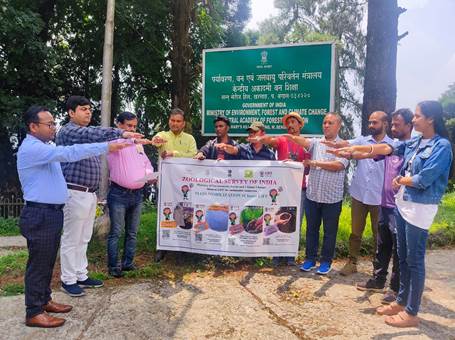
Zoological Survey of India, Kolkata organised an awareness drive in Central Academy of Forest Education (CAFE), St Mary's Hill, Kurseong, West Bengal in which about 20 staff and local people were made aware of Mission LiFE. The staff were explained how plastics are harmful for the fragile environment and they should go for rain water harvesting to save water for use in the winter and dry season. Pledge was taken by all.
A group of people holding a signDescription automatically generated with medium confidence

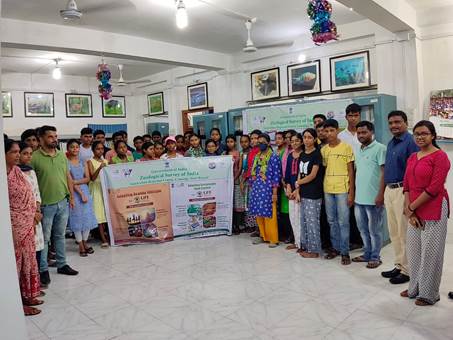
Zoological Survey of India, Canning, West Bengal organized an awareness drive at ZSI Office with school students from Canning town. 40 students took part and pledge was taken by all. The students were all appraised of the objectives of Mission LiFE and that they should all spread awareness among locals to save the environment.
A group of people standing in a roomDescription automatically generated

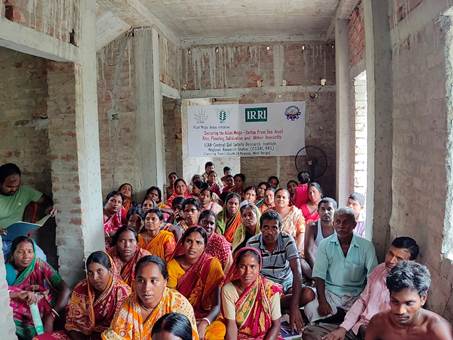
To promote the objectives of Mission LiFE, Zoological Survey of India, Canning, West Bengal and Central Soil Saline Research Institute, Sundarbans jointly organized training programs entitled "Paddy cultivation in saline water" at Ramgopalpur, Gadkhali with 50 farmers. The farmers took part and pledge was taken by all.
A group of people sitting in a buildingDescription automatically generated with medium confidence

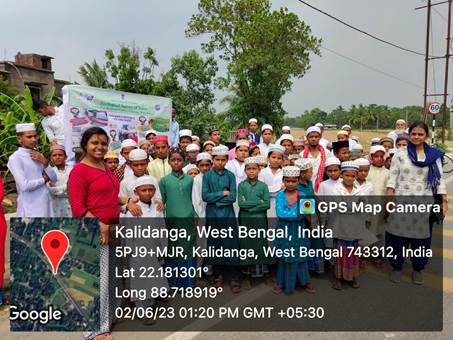
Zoological Survey of India, Canning, West Bengal conducted an awareness drive at Kalidanga village, Sundarbans with 55 children and general public.  Pledge was taken by all.
A group of people standing togetherDescription automatically generated with medium confidence

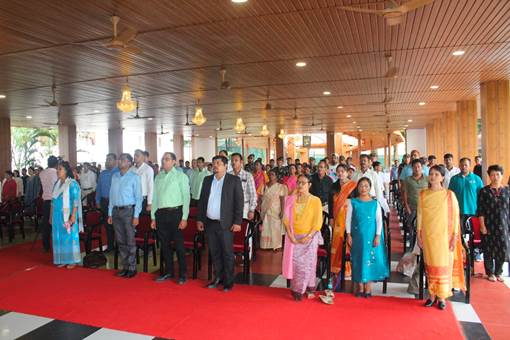
Zoological Survey of India, Arunachal Pradesh Regional Centre, Itanagar conducted Mission LiFE  Awareness Program at Raj Bhawan, Itanagar, Arunachal Pradesh on 01.06.2023 where Hon’ble Governor of Arunachal Pradesh chaired as the Chief Guest. 300 people participated in the function. LiFE Pledge was administered by the Hon'ble Governor of Arunachal Pradesh to all present on the occasion.
A group of people standing in a roomDescription automatically generated with medium confidence

  1. GB Pant National Institute of Himalayan Environment

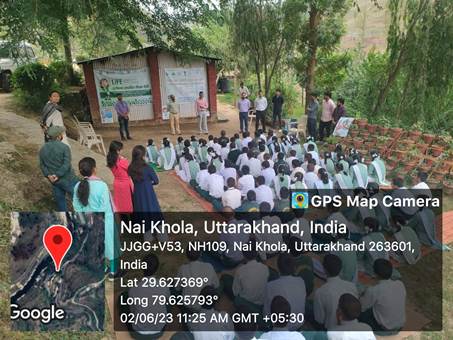
Centre for Land and Water Resource Management (CLWRM) of G.B. Pant National Institute of Himalayan Environment (NIHE) conducted an awareness and plantation cum action drive under mission LiFE at Koormanchal Academy, Kosi, Almora, Uttarakhand on 02nd June 2023. A total of 120 participants participated in the program that included the school teachers, students, researchers and faculties of NIHE. The participants were sensitized on all the seven themes of mission LiFE to save water, save energy, reduce waste, etc. A plantation drive of important plant species contributing to the rejuvenation of water bodies was also carried out with the teachers of the academy at the School premises. Furthermore, a demonstration session on water quality assessment using scientific measures was also organized. All the participants took LiFE pledge to adopt environment-friendly habits.
A picture containing outdoor, text, tree, clothingDescription automatically generated

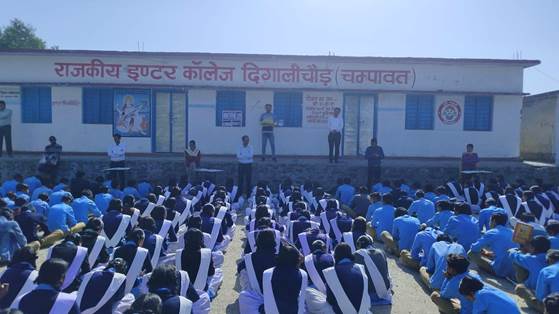
Centre for Land and Water Resource Management (CLWRM) of G.B. Pant National Institute of Himalayan Environment (NIHE) conducted an awareness program under mission LiFE at Government Inter College Digalichaur, Lohaghat, Champawat, Uttarakhand. The participants were aware on the different themes of the mission LiFE viz. Save Water, Adopt Healthy Lifestyles, Reduce Waste, and Adopt Sustainable Food Systems.  A total of 464 participants including students and teachers of GIC Digalichaur, and researchers of CLWRM-NIHE participated in the program and also took the LiFE pledge.
A group of people sitting in a rowDescription automatically generated with low confidence

Garhwal Regional Centre of the NIHE conducted an awareness program, under the ‘Adopt healthy lifestyle’ and ‘Say no to Single Use Plastic’ themes of mission LiFE at Mangsu village, Tehri Garhwal. A total of 72 stakeholders participated in the program and took the LiFE Pledge ‘Lifestyle for the Environment to adopt environment-friendly habits. At the end of the program, multi-purpose trees were distributed to the villagers to promote biodiversity and a healthy lifestyle.
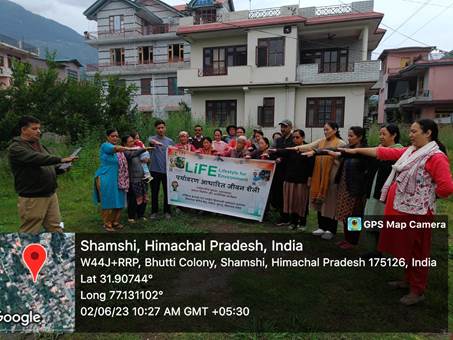
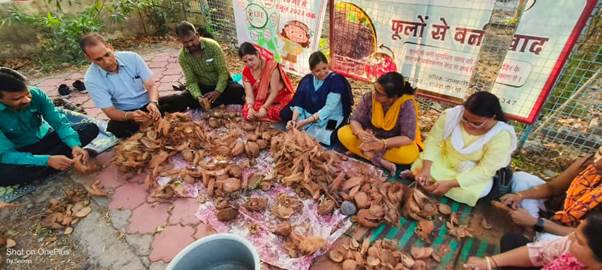
Himachal Regional Centre (HRC) of NIHE organized an Awareness program and cleanliness drive program on 02/06/2023 at Mahila Mandal Dal, Bhutti Colony, Kullu under the ‘Reduce Waste’ theme of Mission Life.  A total of 28 participants including faculty, researchers, and member of the Mahila Mandal participated in the program & and were sensitized to the various effective measures to reduce waste. All the participants also pledged to reduce waste to adopt an environment-friendly lifestyle.
Sikkim Regional Centre (SRC) of NIHE organized awareness and action events under mission LiFE. The program was organized with the tourists at Bagthang Falls, Gangtok on 02nd June 2023. More than 45 tourists and shopkeepers took the LiFE pledge and committed to adopting eco-friendly actions in their daily life. During the program, a total of 16 actions of mission LiFE under 06 themes viz. save energy, save water, adopt sustainable food systems, adopt healthy lifestyles, say no to single-use plastic, and reduce waste were covered. Also, as an action, several eco-friendly practices along with solid waste management initiatives of Sikkim were shared with tourists.

A group of people wearing colorful robesDescription automatically generated with low confidence

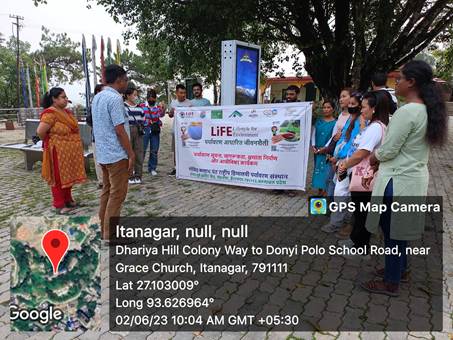
The North-East Regional Centre (NERC) of NIHE organized an awareness program around Grace Church and Gompa temple. A total of 31 tourists and locals were sensitized about the importance of mission life through one-to-one interaction and discussion. In another event, the NERC of the Institute conducted an awareness and action activity under mission LiFE in Chandranagar Daily Market, Itanagar. The Shopkeepers and customers were sensitized about the impacts of single-use plastic, and waste on the environment. To reduce the use of plastic carry bags and promote eco-friendly bags, 25 cloth-made shopping bags were distributed to all the marketgoers and shopkeepers in the daily market. The participants took LiFE pledge to sustain the natural resources in Arunachal Pradesh and to contribute to environmental conservation. Scientists, researchers, and other office staff participated in one-to-one interaction with tourists as well as locals and fostered the "adapting healthy lifestyle".
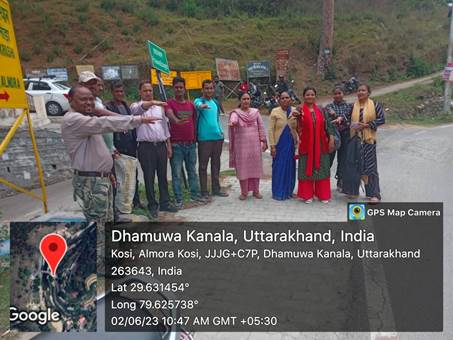
Centre for Socio-economic Development (CSED) of NIHE conducted an awareness and action cum cleanliness drive on 2nd June 2023 under mission LiFE. The locals were also sensitized to stop the use of single-use plastic and contribute to keep water resources clean to adopt healthy lifestyles. The cleanliness drive was conducted on the roadside and near the Kosi-river bridge, Almora, Uttarakhand. A total of 20 participants including faculties, researchers, and support staff of CSED participated in the event and also took the LiFE pledge.
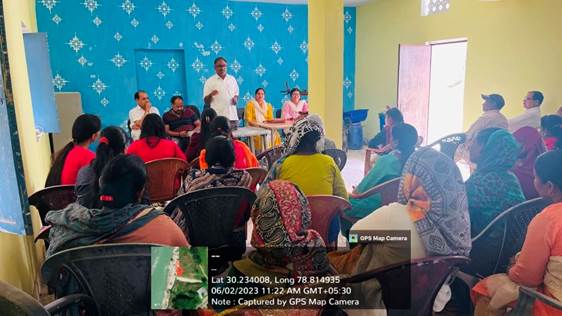
Centre for Environmental Assessment & Climate Change (CEA&CC) of NIHE organized a consultative cum brainstorming workshop on ‘Innovative approaches for Waste Management’ under “Mission Lifestyle for Environment (LiFE)” at NIHE, Almora, to foster the ‘Adopt Healthy Lifestyles’. Dr. Achalesh Daverey, Sr. Asst., Professor from Doon University enlightened the participants on pine needle-based biochar for wastewater treatment and Anammox bacteria for the management of constructed wetlands. A total of 28 participants participated in the program and took the LiFE pledge to sustain the natural resources in the Indian Himalayan region (IHR) and to contribute to soil and water conservation. In another event, a consultative cum brainstorming workshop on ‘Water management and DRR’ under “Mission Lifestyle for Environment (LiFE)” on 02nd June 2023 near Kosa village, Joshimath, Chamoli, Uttarakhand, to foster the "Adopting Healthy Lifestyles". A total of 43 participants participated in the program and took the LiFE pledge. Another event was organized near Papoli village, Almora, Uttarakhand, to foster the "Adopting Healthy & Sustainable Lifestyles". A Total of 48 participants planted nearly 100 plants of Baanj, Devdar, Uttis, Thuja, Ginkgo, and Manipuri Baanj in and around the temple area and panchayat ghar. All the participants took the LiFE pledge to sustain the natural resources in the Indian Himalayan region (IHR) and to contribute to soil and water conservation.
 

  1. National Centre for Sustainable Coastal Management

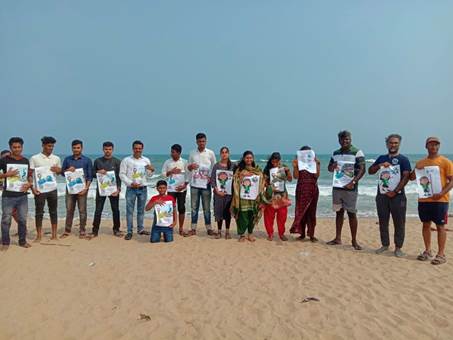
As part of the mass mobilisation Mission LiFE, NCSCM organised an outreach event at the Devi River mouth, to ensure people’s participation (Jan Bhagidari) in coastal and marine conservation. Devi Beach is one of the landscapes in Odisha's Puri and Jagtsinghpur districts. It is a tributary of the Mahanadi River, lies within the Mahanadi Basin, and is known for its diverse biodiversity. Every year, thousands of visitors come to enjoy the calm surroundings, golden sandy beach, and lush greenery. Because of its various habitats and the ecological services they provide, the estuary is of great ecological value. Mangroves characterise the estuary area and serve an important role in coastal protection, reducing erosion, and providing a nursery for many marine animals. Mangroves, sand dunes, and estuarine environments provide niches for a variety of plants and animals. These beaches host "arribadas," or mass nesting occasions, in which thousands of female Olive Ridley turtles come ashore to lay their eggs. These diversified ecosystems support a wide range of migratory birds, fish, crabs, and other marine animals. Local communities depend on these resources for sustenance and livelihoods, making their conservation vital.

NCSCM scientists sensitised around 75 tourists on the themes of Mission LiFE to encourage people to engage in small, everyday actions that can have a significant positive impact on their lives and their environment. The event provided tourists with a quick introduction to the ecologically sensitive coastal ecosystems and the need to conserve them by avoiding "trampling" and "littering". They also stressed the importance of community participation in ongoing MISHTI initiatives, conservation and restoration of mangroves, and organising frequent clean-up activities to decrease the lotic entry of plastic into rivers, which is crucial for the health of coastal and marine ecosystems. Marine litter poses a great threat to the turtle population, as turtles often mistake plastic bags and other debris as part of their diet, which leads to serious health problems or even the death of these endangered species. The NCSCM scientists sensitised the fishing community about not operating trawler boats for fishing near the turtle nesting sites to prevent entangling and injuring (e.g., clipping off flippers) turtles and encouraged the use of Turtle Excluder Devices (TEDs) to exclude turtles from getting captured and the retrieval of ghost nets. Turtle egg protection measures and the establishment of hatcheries have been suggested for the highly vulnerable turtle breeding sites, which are susceptible to disturbances, poaching, and predation. These initiatives focused on highlighting the ecological importance of turtles and their conservation status, not indulging in using bright flashlights during the breeding season. Raising awareness among beachgoers, tourists, shop owners, and beach vendors, beach operators on the various ecosystem services provided by the beaches and placing further emphasis on reducing litter generation in everyday life is the most significant step towards positive environmental gains. The scientists underlined the need to follow the litter minimization hierarchy (reduce, reuse, recycle, recovery, and disposal) for their daily litter footprint. Additionally, NCSCM scientists sensitised tourists, local vendors, and representatives of the fishing community on their important role in sustainable management of backwater tourism, wetland conservation, and the need to live in harmony with nature. As a part of the event, participants took LiFE’s pledge to stop littering and to live a green and sustainable life. Posters and pamphlets were distributed on the beach as part of this event, and employees emphasised the significance of Mission LIFE to the public.
 

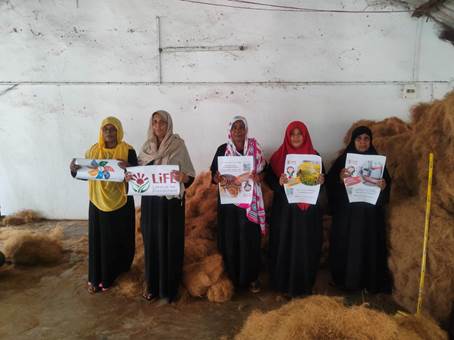
Lakshadweep is a Union Territory of India located in the Arabian Sea. It is a group of 36 islands, of which only 10 are inhabited. The economy of Lakshadweep is primarily based on agriculture, fisheries, and tourism. Coconut cultivation is the main agricultural activity, and it is a major source of income for the local population. Fishing is another important economic activity, with the islands known for their rich marine resources. In recent years, tourism has gained significance, attracting visitors with its pristine beaches and coral reefs. The islands host a variety of marine species, including corals, fish, turtles, and dolphins, and are a significant breeding ground for various species of seabirds. Like many other coastal areas, Lakshadweep faces environmental challenges such as coastal erosion, rising sea levels, and the impact of climate change. These factors pose threats to the islands' ecosystems, infrastructure, and the livelihoods of the local population. The coir industry, as a coconut tree-based industry, holds socio-economic significance on the island by providing employment, contributing to the local economy, preserving cultural heritage, and offering sustainable livelihood opportunities. It is a labour-intensive industry, and many local residents, especially women, are engaged in coir-related activities. Traditional coir-making techniques have been passed down through generations and are part of the local heritage. The coir industry plays a role in preserving cultural practices and connecting communities with their traditional roots.

On the awareness front, NCSCM scientists sensitised nearly 25 representatives of the coir industry workers and officials about the themes of Mission LiFE, energy and biodiversity conservation, sustainable food practises, and adopting a sustainable lifestyle. Scientists emphasised the necessity of reducing single-use plastics in sensitive island ecosystems using eco-friendly alternatives, water conservation, energy conservation, and biodiversity conservation. They underlined that by using coir products, we can reduce reliance on single-use plastics, promote sustainability, and contribute to environmental conservation. NCSCM staff highlighted the need to use coir geotextiles as an erosion control measure, since most of the island is under threat from coastal erosion. These products help stabilize soil, control sediment runoff, and promote vegetation growth. Scientists, in their discussion with coir workers, also highlighted the need for value added products from the coir fibre, such as coir pots for seedlings and plant nurseries. Further, they discussed the use of coir mulch in gardening and landscaping as an alternative to plastic mulch. As part of this event, the participants undertook the LiFE pledge and the signature campaign in support of the LiFE mission.
 

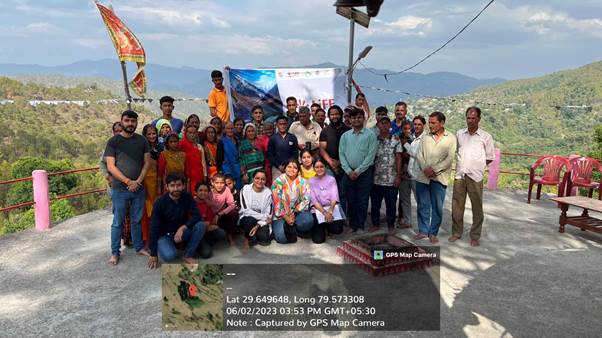
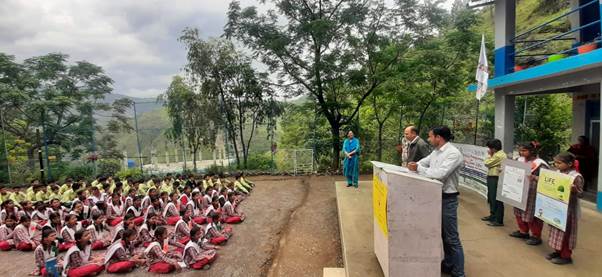
  1. Botanical Survey of India

Mission LiFE campaign at Se Sec School Doodha Matiyana, Sirmaur District. Awareness generated among about 95 students and 10 school staff members to save natural resources and to adopt healthy lifestyle for environment.
A picture containing outdoor, clothing, sky, treeDescription automatically generated


  1. Environment Education Programme (EEP)

Various Eco-clubs under Environment Education Programme (EEP) organized 1217 events for promotion of Mission LiFE with participation of more than 56,000 children on June 2, 2023. More than 54,000 LiFE pledges also were taken during the day’s events.
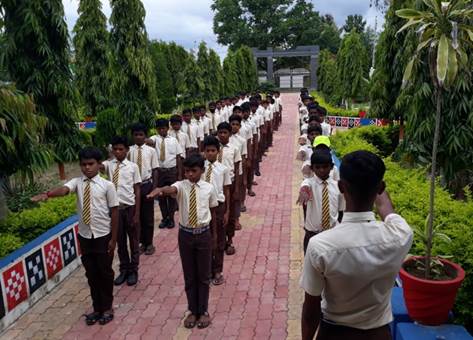
LiFE pledge event was organized in various schools of Odisha during the day.

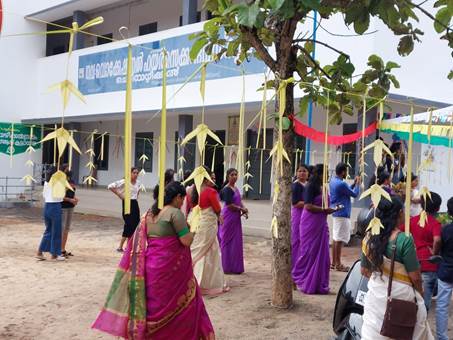
Following the traditional eco-friendly method of decoration, GVHS Cherizheekal, Kerala used braided kuruthola toranam made from coconut leaves avoiding plastic decorations during the school reopening festival 2023-24. Ecoclub members introduced the making of kuruthola toranam to other students also.
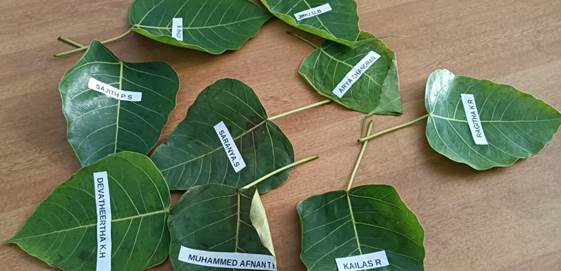
Another school - GHS Valavayal, Kerala welcomed the students to the new academic year with leaf badges.
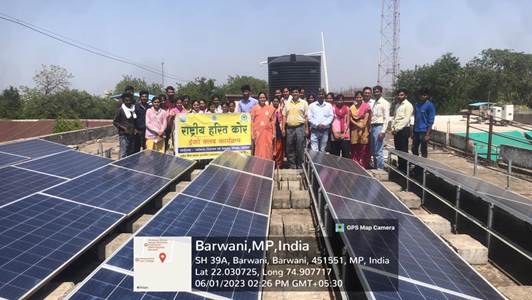
Demonstration of solar panel to students was organized at Govt. SBN College building, Barwani, Madhya Pradesh to sensitize students on the theme Save Energy.
 

Cocopeat making workshop was organized by the Eco Club master trainer, Ratlam, Madhya Pradesh. LiFE pledge was also taken by the participants.


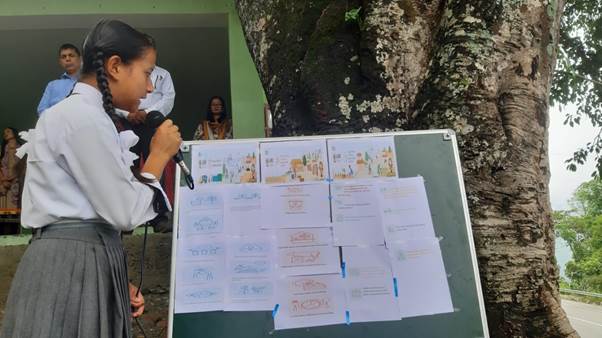
In a run to WED,  Eco-club schools of Sikkim engaging 500+ students took active part in Mission LiFE propagation and awareness. Activities include awareness on Mission LiFE by SNA officers at select schools, morning assembly sensitization, painting competition and extempo quiz competition during morning assembly.
 

  1. Environmental Information, Awareness, Capacity Building and Livelihood Programme (EIACP):

The Environmental Information, Awareness, Capacity Building and Livelihood Programme (EIACP) is a Central Sector sub-scheme aligned with the Mission LiFE initiative. The program is dedicated to raising awareness, building capacity, and promoting sustainable actions among individuals and communities across India. By focusing on education and empowerment, the EIACP aims to drive positive change and foster a sustainable future for all.

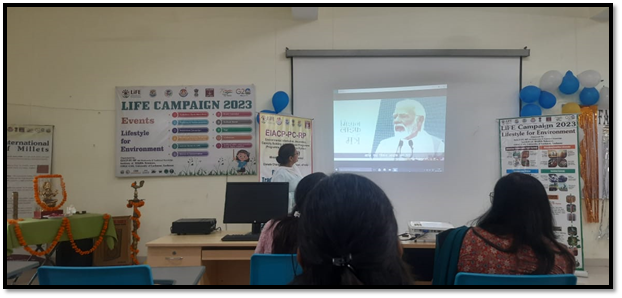
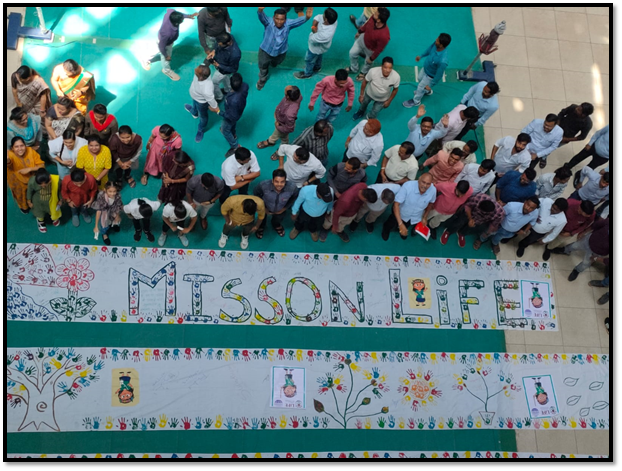
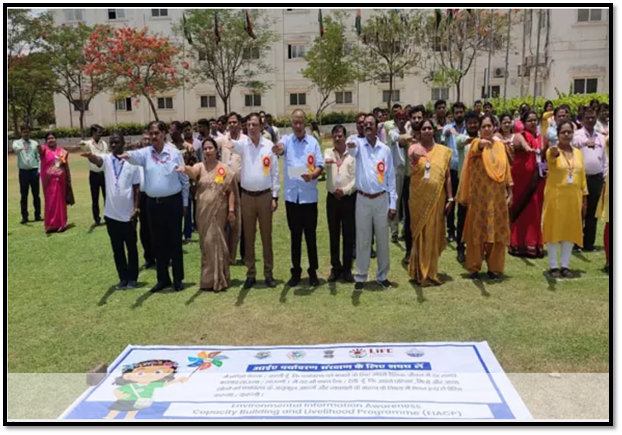
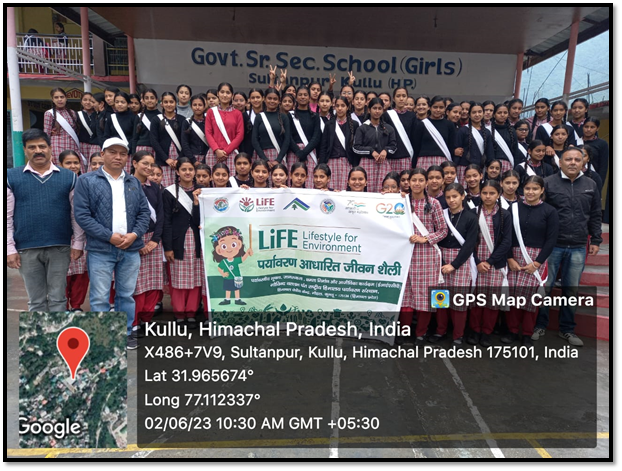
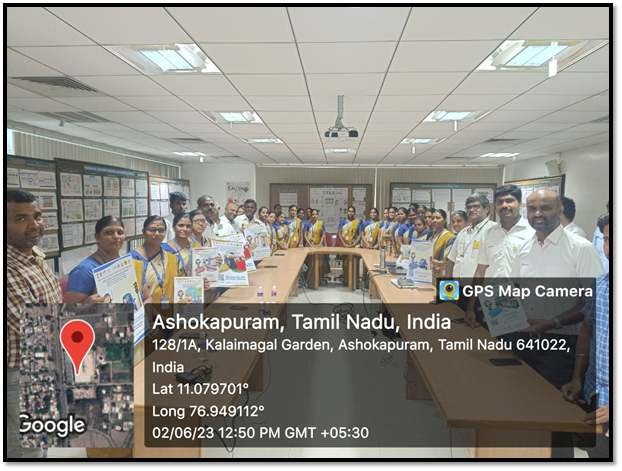
On Friday, 2nd June, 2023, the EIACP Programme Centres conducted a series of activities as part of a mass awareness campaign on Mission LiFE leading up to the World Environment Day 2023 celebrations. More than 18 activities and over 2300 participants took part in various events organised by EIACP Centres across India. EIACP Programme Centre at CECB, Raipur created a world record by taking a LiFE pledge of over 12.38 lakh by the people to conserve the environment. The programme was organised by the EIACP PC Hub at Chhattisgarh Environment Protection Board under the Mission LiFE programme on June 1, 2023 from 8 am to 5 pm. This was an innovative initiative of EIACP, CECB, Raipur, to bring awareness through public participation.
************