India Energy Week 2027 Sets the Stage for Global Energy Dialogue in Kolkata
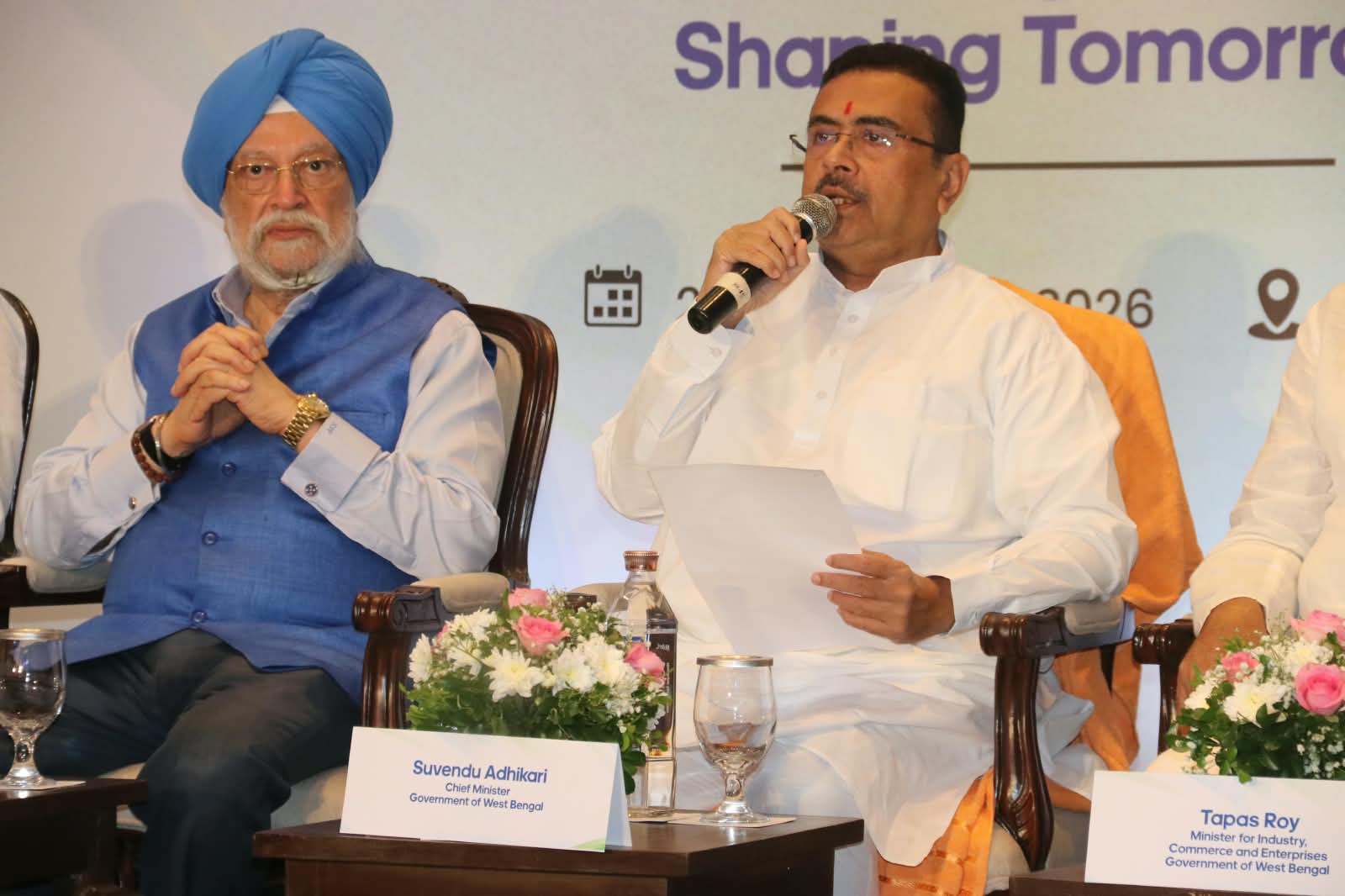
Hon’ble Minister for Petroleum and Natural Gas Shri Hardeep Singh Puri alongwith Hon’ble Chief Minister of West Bengal Shri Suvendu Adhikari formally announce Kolkata as the host city for India Energy Week 2027
Kolkata to host India Energy Week 2027
IEW 2027 theme: “Unlocking Innovation. Securing Energy. Shaping Tomorrow.”
75,000+ energy professionals and 700+ international exhibitors expected
IEW 2027 will be held from 28–31 January 2027 at the New Town Convention Centre, Kolkata, India
Posted On: 28 SEP 2026 8:11PM by PIB Delhi
As India’s energy demand continues to grow amid a rapidly shifting global energy landscape, the technologies, partnerships and strategic choices shaping the future of energy will be at the forefront of India Energy Week (IEW) 2027.
Making its debut in Kolkata from 28–31 January 2027 under the theme “Unlocking Innovation. Securing Energy. Shaping Tomorrow,” the fifth edition of IEW will serve as the first major global energy conclave of the year, bringing together policymakers, energy leaders, technology innovators, investors and industry stakeholders from across the world to explore pathways to strengthen global energy security and advance sustainability.
_20260928205304_442fca.jpeg)
Held under the patronage of the Ministry of Petroleum and Natural Gas, India Energy Week has grown rapidly since its debut in Bengaluru in 2023, expanding in scale, international participation and the breadth of issues addressed. At the fourth edition in Goa in 2026, the event brought together 75,000+ energy professionals, 700+ exhibiting companies, participants from more than 120 countries and 6,500+ conference delegates, reflecting its preeminent position among global energy conclaves.
Union Minister for Petroleum and Natural Gas Shri Hardeep Singh Puri along with Chief Minister of West Bengal Shri Suvendu Adhikari formally announced Kolkata as the host city for India Energy Week 2027. Shri Adhikari thanked Shri Puri and the Petroleum & Natural Gas Ministry for bringing IEW 2027 to West Bengal. Shri Adhikari said a successful IEW 2027 would help attract new investment, expand existing projects and create employment opportunities in West Bengal.
The evolution of India Energy Week has taken place alongside India’s increasing importance to the global energy system. As the world’s fastest-growing major economy, India’s energy demand is expanding rapidly, while the country continues to balance energy security and affordability with its transition towards cleaner energy systems. India’s energy choices therefore have implications well beyond its borders, making the country a centre of the global energy conversation.
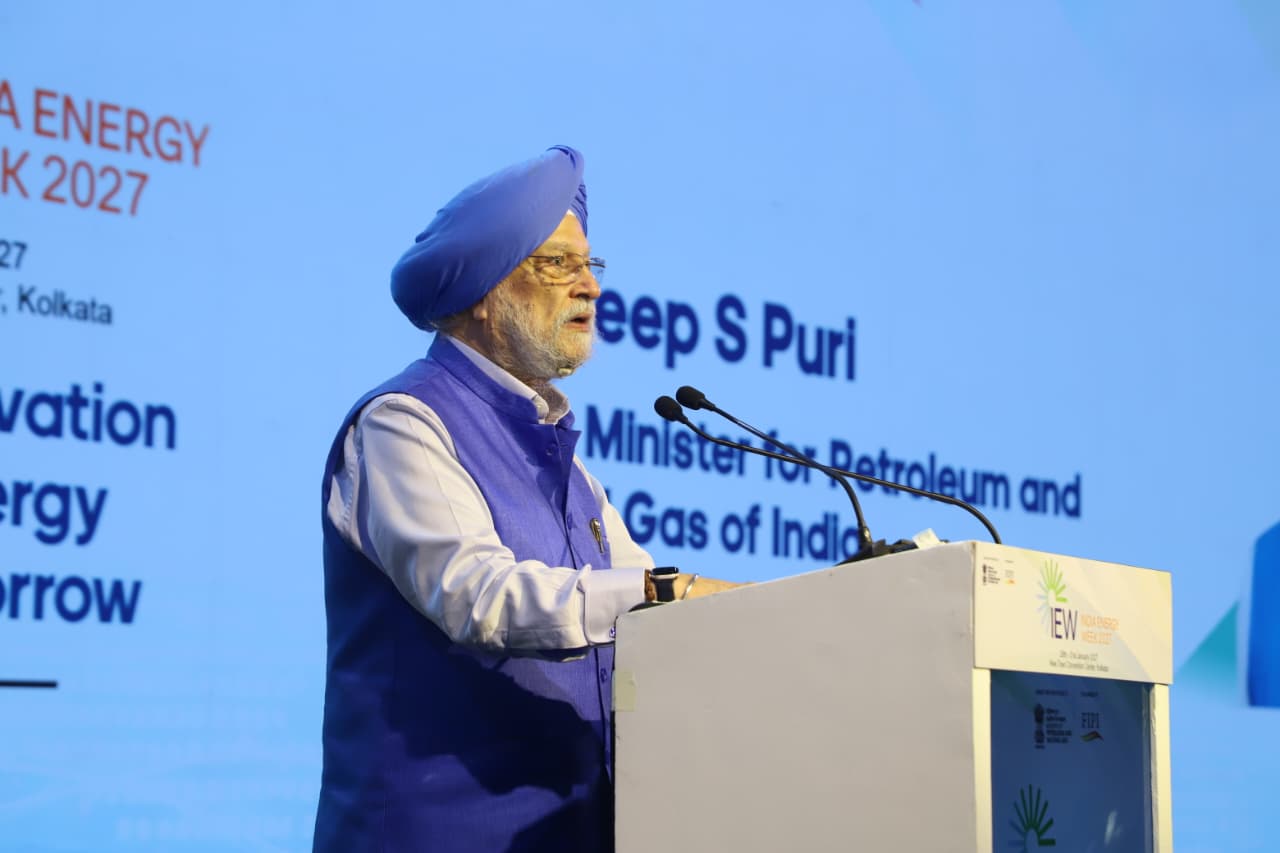
IEW 2027 will build on this context, focusing on the technologies, innovations and partnerships required to ensure energy security, affordability and sustainability for the globe, especially countries in the global South. The event will provide a meaningful platform for stakeholders from across the hydrocarbon and wider energy value chain to explore opportunities to scale innovation, strengthen energy security, improve efficiency and accelerate technology-led progress.
With energy security, affordability, technology, investment and sustainability increasingly interconnected, IEW 2027 promises to catalyse global efforts to find practical solutions to the challenges shaping the sector. The exhibition and conference programmes will showcase developments across oil and gas, LNG, refining and petrochemicals, hydrogen, biofuels, digitalisation and AI, alongside other emerging areas within the energy sector.
Kolkata: A New Chapter for India Energy Week
The move to Kolkata brings India Energy Week to eastern India for the first time, adding a new geographical dimension by providing a platform for businesses, institutions and energy stakeholders from the region to engage with international partners and participate in global conversations on energy.
The fifth edition is expected to bring together 75,000+ energy professionals and 700+ international exhibitors, alongside the decision-makers in the energy domain. The exhibition and conference programmes will provide opportunities to showcase technologies, forge partnerships and explore the strategic opportunities and challenges shaping the energy sector.
The international character of India Energy Week has also grown alongside its scale. Previous editions have brought together senior government leaders and energy executives from major energy-producing and consuming economies. 17 Ministers and Deputy Ministers from countries including UAE, Canada, Netherlands, Oman, Brunei, Myanmar, Tanzania participated in IEW 2026, along with International organisations such as the International Energy Forum, BIMSTEC and the Eurasian Economic Union.
Their participation reflected the increasingly interconnected nature of the energy conversation, as countries and companies navigate questions around energy security, investment, technology, transition and the changing global energy landscape.
About India Energy Week
India Energy Week is the country’s flagship global energy platform, bringing together government leaders, industry executives and innovators to accelerate progress toward a secure, sustainable and affordable energy future. As a neutral platform, India Energy Week drives investment, policy alignment and technological collaboration shaping the global energy landscape.
Held under the patronage of the Ministry of Petroleum and Natural Gas, India Energy Week 2027 is being organised by Federation of Indian Petroleum Industry (FIPI) with Informa Markets as Conference Organiser.
_20260928205356_59dc7f.jpeg)
India Energy Week 2027 will take place from 28–31 January 2027 at the New Town Convention Centre, Kolkata, under the theme “Unlocking Innovation, Securing Energy, Shaping Tomorrow.”